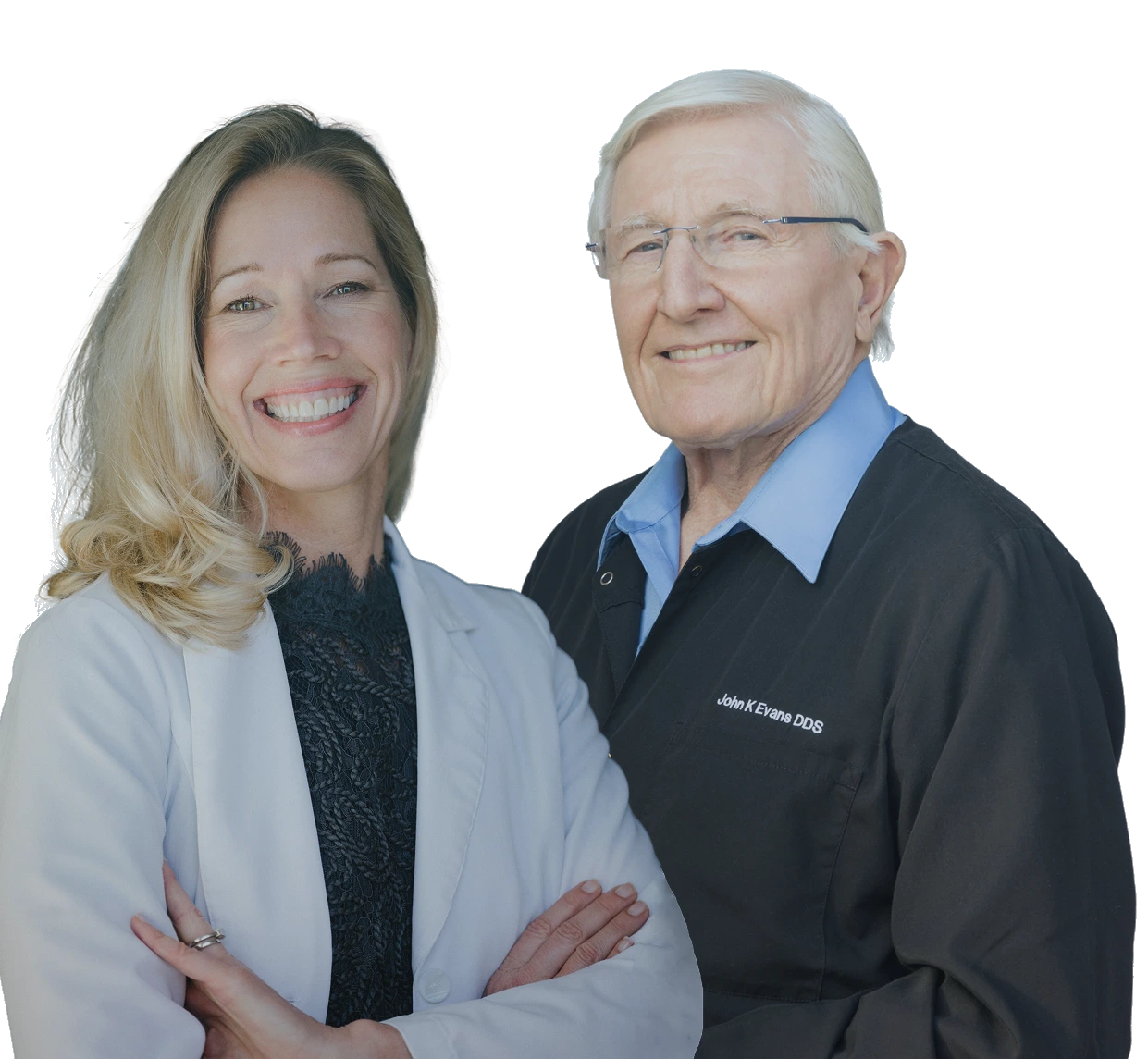
Reviewed by Dr. Deborah K. Ruprecht, DDS
|
Reading time: four minutes
Scaling and root planing, often called a deep cleaning, is used to treat active gum disease by removing plaque, tartar, and bacteria from below the gumline. Many patients hesitate because they expect it to be painful. In reality, the procedure is designed to be comfortable with the help of a gentle anesthetic, with options to manage sensitivity and optimize healing for your gums.
Table of Contents
Does Scaling and Root Planing Hurt?
Scaling and root planing can feel uncomfortable without anesthetic, especially if your gums are already inflamed or sensitive.
At Life Oral Health Periodontics and Implant Surgery, your comfort is a priority. We use a more controlled, gentle approach along with advanced technology to reduce irritation during treatment and make the process easier to tolerate.
If an area feels too sensitive, we can pause and adjust the dosing of anesthetic to keep you comfortable. Mild soreness or sensitivity afterward is normal and usually improves within a few days as your gums begin to heal.
What Helps Deep Cleaning Feel More Comfortable?
Inflamed gums are often sensitive before treatment begins, so we tailor your care to your gum health, comfort level, and the areas that need the most attention.
At Life Oral Health, your gum disease treatment may include:
- Oral DNA testing and antibiotic therapy: Oral DNA testing identifies your specific bacterial profile, allowing us to design a personalized treatment plan. By integrating these results with your medical history and lifestyle, we tailor care to effectively restore and maintain your oral health.
- Careful scaling and root planing: We remove hard deposit buildup below the gumline and smooth the root surfaces so bacteria have fewer places to collect.
- Guided biofilm removal: EMS Airflow Guided Biofilm Therapy uses air, warm water, and fine powder to gently remove the sticky bacterial film that contributes to gum disease. Many patients find this approach more comfortable than traditional cleaning methods. This step removes bacterial particles that are difficult to remove with traditional cleaning methods in dentistry.
- Laser bacterial reduction: When deeper periodontal pockets are present, diode lasers are used to target harmful bacteria at the tissue level with the Biolase Epic ™ and Gemini lasers. These hygiene lasers are used to calm inflammation, support healing and maintain healthier gums tissues over a lifetime.
- Gentle numbing when needed: Some patients are comfortable without numbing, while others prefer it for deeper or more sensitive areas. When numbing is recommended, the STA Wand system allows it to be delivered slowly and precisely for a gentler experience.
What to Expect After a Deep Cleaning
After scaling and root planing, your gums may feel tender for a few days. Your teeth may also feel temporarily sensitive to cold, brushing, or certain foods.
As healing continues, typically your gums bleed less, feel less swollen, and look healthier. Your timeline depends on your gum health, home care, and how your body responds.
To stay comfortable at home:
- Choose soft, nourishing foods if your gums feel tender.
- Avoid hot, spicy, crunchy, or acidic foods until sensitivity improves.
- Brush gently with a soft toothbrush.
- Follow any rinse, product, or home care instructions from our team.
- Call us if discomfort worsens instead of gradually improving.
Deep cleaning is the beginning of healing, not the end of your care. Consistent home care and follow-up visits help keep bacteria under control and protect your results.
Personalized Gum Disease Treatment
Dr. Deborah K. Ruprecht, DDS, approaches scaling and root planing as part of a larger plan to control gum disease. Your comfort matters during treatment, but so does what happens after.
Depending on your needs, we may recommend:
- Home care coaching to help you care for your gums more effectively between visits
- Natural rinses to support a healthier oral environment
- Perio Protect trays to help reduce bacteria below the gumline at home
- Targeted supplements to support your body’s healing response
We also look at whole-body factors that can influence inflammation. These include nutrition, sleep, stress, and overall wellness.
Take the Next Step Toward Healthier Gums
If you have been told you need scaling and root planing, we are here to help you understand your diagnosis, your options, and what to expect.
To schedule an appointment at our periodontal office in Newport Beach, CA, call (949) 833-2263 or visit us at 2372 SE Bristol St Suite A, Newport Beach, CA 92660.
FAQ
Is scaling better than a deep cleaning?
Scaling is part of a deep cleaning. A regular cleaning removes buildup above the gumline and superficial bacteria below the gumline while scaling and root planing cleans below the gumline to treat active gum disease in deeper pockets. If periodontal pockets are present, deep cleaning is the more appropriate treatment.
Are you numbed for scaling and root planing?
Some patients are comfortable without numbing, while others prefer it for deeper or more sensitive areas. We will recommend the best option based on your gums, comfort level, and treatment needs.
How long does a deep cleaning take?
A deep cleaning may take one longer visit. It may also be divided into multiple visits. This depends on the extent of gum disease and how many areas need treatment. We will recommend a schedule that allows us to clean thoroughly while keeping you comfortable.
How long for gums to reattach after deep cleaning?
Gums can begin healing within a few days, but deeper healing and pocket reduction usually take several weeks. Your gums may feel healthier sooner, but the full response depends on the severity of your gum disease, your home care, and your follow-up maintenance.