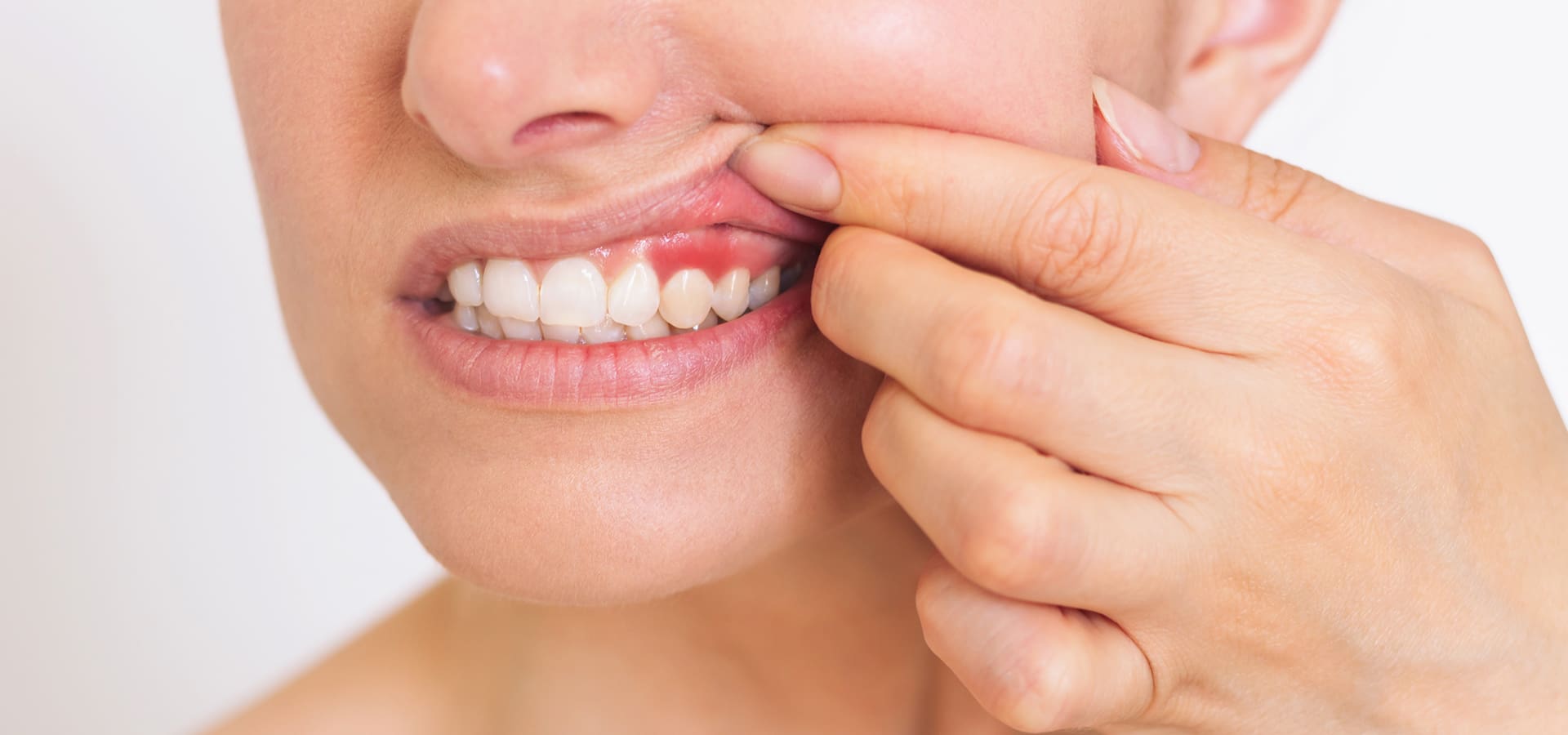
Yes, you can still be a candidate for dental implants if you have gum disease, but active periodontitis needs to be treated first. Once the disease is under control, your gums and bone can be evaluated to determine whether they can support an implant.
Table of Contents
How Gum Disease Affects Dental Implant Success
Dental implants are placed in the jawbone and rely on the surrounding bone and gums for support. Periodontitis damages these same tissues. Placing an implant while the disease is still active can interfere with healing and put the tissues around the implant at risk.
Treating the infection first gives the implant a healthier environment to heal and helps protect it over the long term.
How Is Gum Disease Treated Before Implant Surgery?
Treatment depends on the extent of the disease. Gingivitis may improve with professional cleaning and better home care, while periodontitis requires treatment below the gumline.
At Life Oral Health, gum disease treatment may include:
- OralDNA testing to identify bacteria associated with periodontal disease
- Scaling and root planing to remove plaque, tartar and bacteria below the gumline
- Guided Biofilm Therapy with EMS Airflow® to remove bacterial biofilm
- Laser therapy to reduce bacteria in periodontal pockets
- Periodontal maintenance to help keep the disease under control
With more than 30 years of experience in periodontics, Dr. Deborah Ruprecht takes a careful, disease-first approach to implant planning. Once treatment is complete, she evaluates how well the disease has responded before deciding when it is appropriate to move forward with an implant.
What If Gum Disease Has Caused Bone Loss?
Bone loss does not necessarily prevent you from getting dental implants. There does, however, need to be enough healthy bone to support the implant securely.
If periodontitis has caused significant bone loss, bone grafting may be needed before or during implant placement. The type of grafting depends on where the bone has been lost and how much needs to be rebuilt.
We use CBCT imaging to give us a three-dimensional view of the jaw so we can assess the available bone and plan the implant position. Guided implant surgery can then help place the implant precisely based on your individual anatomy.
Can Gum Disease Affect a Dental Implant Later?
If you have had periodontitis, you have a higher risk of developing inflammation and bone loss around dental implants, even after your gum disease has been treated.
Regular periodontal maintenance and good home care help reduce this risk and protect your implants over time. Bacteria can cause inflammation and infection in the gums and bone surrounding an implant, much like they can around a natural tooth.
Inflammation limited to the soft tissue is called peri-implant mucositis. If it progresses and bone begins to break down around the implant, it becomes peri-implantitis. Over time, this bone loss can affect the implant’s stability.
FAQ
How long after gum disease treatment can I get dental implants?
Once your gum disease is under control and your gums have healed, we can begin planning your dental implant treatment. We will evaluate the health of your gums and supporting bone to determine whether the area is ready for implant placement or if additional treatment is needed first.
Can I get an implant if I have bone loss from periodontitis?
Possibly. If there is not enough bone to support an implant, bone grafting may be able to rebuild the area. CBCT imaging can show how much bone is available and help determine whether grafting is needed.
Can gum disease go away with dental implants?
No. Gum disease is not a problem with the teeth themselves, but with the gums and supporting bone. Removing teeth affected by periodontitis and replacing them with dental implants does not eliminate the disease. The underlying infection and inflammation must be treated to create a healthy environment for implants and protect them over the long term.
Planning Dental Implants After Gum Disease
Our team at Life Oral Health Periodontics and Implant Surgery takes a careful, personalized approach to implant planning, beginning with the health of your gums and supporting bone. We focus on controlling periodontal disease, preserving your natural teeth whenever possible, and creating the right conditions for long-term implant success.
To schedule an appointment at our periodontal office in Newport Beach, CA, call (949) 833-2263 or visit us at 2372 SE Bristol St Suite A, Newport Beach, CA 92660.