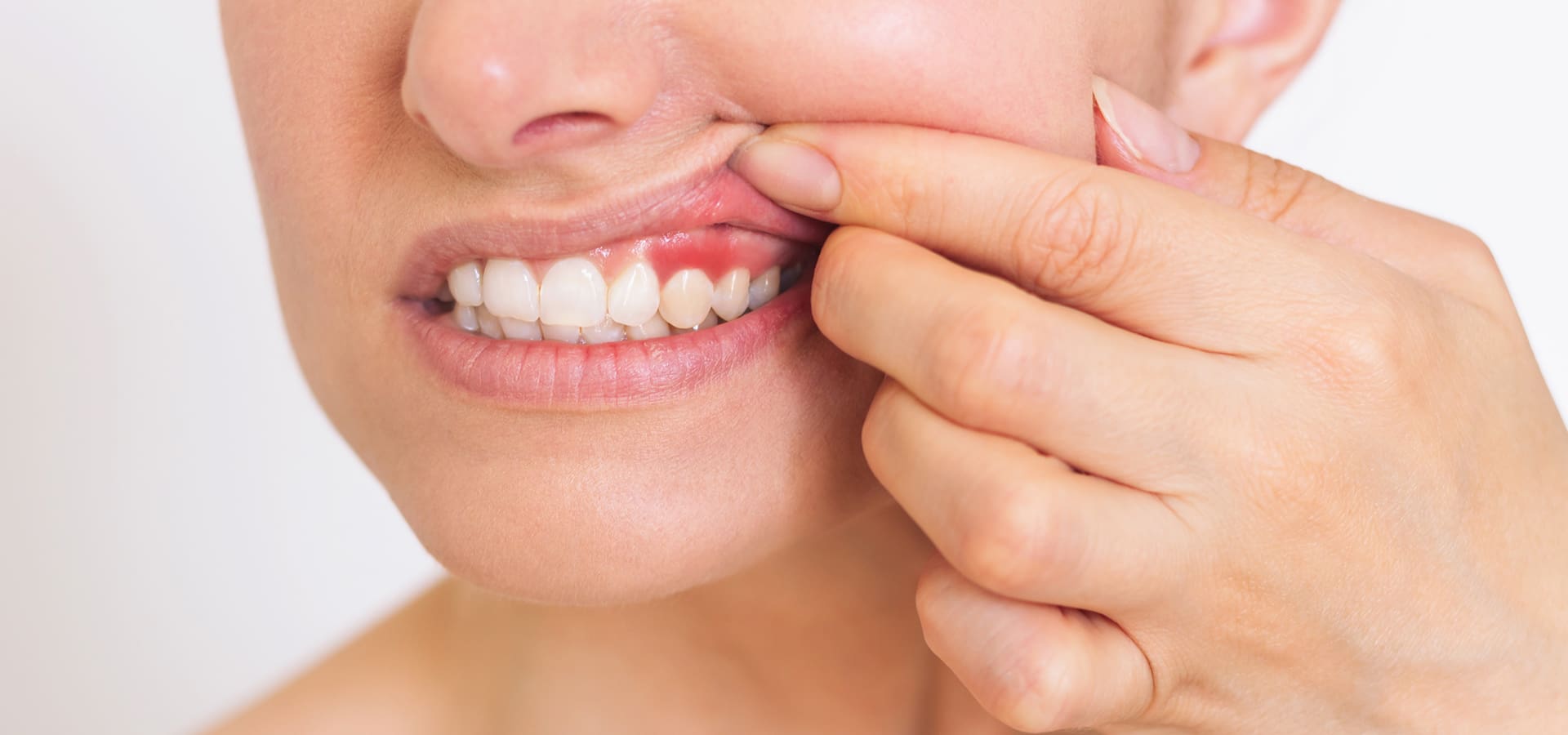
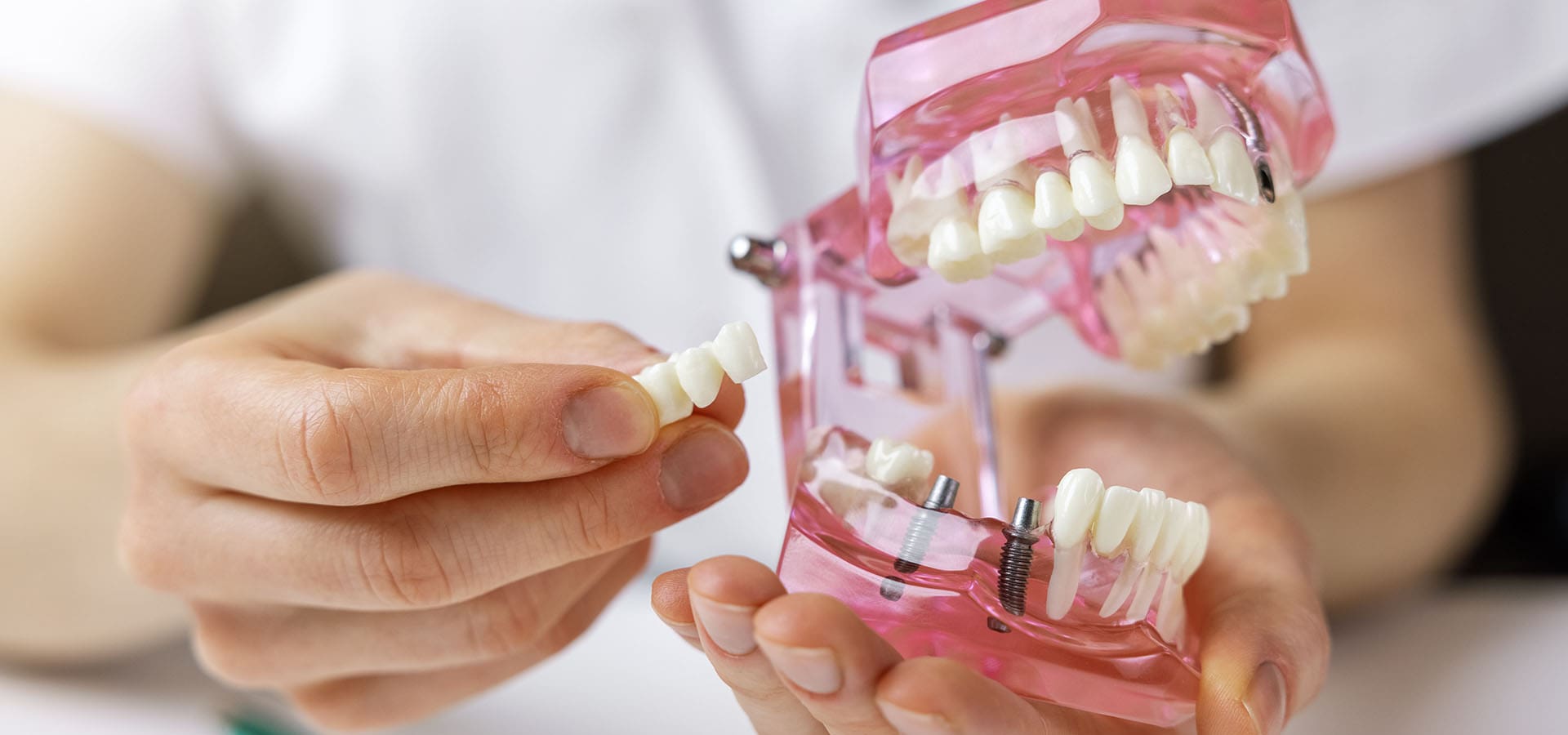
The earliest stage of gum disease, gingivitis, can often be reversed with professional cleaning and consistent care at home. Periodontitis is different. Once the infection has damaged the bone and tissues that hold your teeth in place, brushing and flossing cannot undo that damage. Treatment can still bring the infection under control and help you keep your natural teeth.
Table of Contents
Gum Disease in the Early Stages
Gum disease is reversible in its earliest stage. Gingivitis affects the gums but has not yet damaged the bone supporting the teeth. You may notice bleeding, swelling, tenderness or persistent bad breath.
Once gum disease progresses to periodontitis, bacteria move below the gumline and begin damaging the tissues and bone around the teeth. A periodontal evaluation can determine how far the disease has progressed and what treatment is needed.
How to Reverse Gingivitis
Reversing gingivitis starts with removing the plaque and hardened tartar causing the inflammation. Tartar cannot be brushed away at home, so a professional cleaning is an important first step.
From there, a few daily habits can help your gums heal and prevent the inflammation from returning:
- Brush twice a day with a soft-bristled toothbrush.
- Clean between your teeth every day.
- Follow the home-care recommendations provided by your dental team.
- Keep up with regular professional cleanings.
- Avoid smoking and other tobacco products.
- Manage health conditions that may affect inflammation or healing.
If your gums continue to bleed despite good home care, schedule an evaluation to check for tartar or infection below the gumline.
How to Stop Periodontitis
Your oral health is closely connected to general health, a relationship known as the oral-systemic link. Periodontitis treatment doesn’t just protect your teeth. It controls infection to support your overall health.
At Life Oral Health, we tailor care to your periodontal pocket depths, bone and tissue loss, and medical history. For aggressive disease or patients with medical risk factors, we may recommend OralDNA testing at the initial examination.
For aggressive disease or patients with medical risk factors, we may recommend OralDNA testing at the initial examination. A simple oral rinse sample identifies bacteria associated with gum disease and, when indicated, genetic factors that may affect inflammation. These results help guide treatment and ongoing care.
Treatment options may include:
- Scaling and root planing: This deep cleaning removes plaque, tartar and bacteria from below the gumline. It also smooths the tooth roots, making it harder for bacteria to collect.
- Guided Biofilm Therapy: EMS Airflow uses warm water, air and fine powder to gently remove biofilm from the teeth, gums and areas that are difficult to reach.
- Laser therapy: The Gemini diode laser can reduce bacteria in periodontal pockets during nonsurgical treatment. For more advanced cases, the Waterlase may be used during periodontal surgery.
- Perio Protect trays: These custom trays deliver medication below the gumline to help manage bacteria between office visits.
- Regenerative procedures: Bone grafting, gum grafting or platelet-rich fibrin may be recommended to rebuild some of the structures damaged by gum disease.
- Periodontal maintenance: Regular maintenance visits help keep bacteria under control and allow us to watch for early signs that the disease is becoming active again.
Periodontitis requires ongoing care, even after treatment has stabilized the infection. How often you need periodontal maintenance will depend on your gum health, home care and individual risk factors.
Get Help for Bleeding or Receding Gums
At Life Oral Health, Dr. Deborah Ruprecht looks beyond the visible symptoms to understand what is contributing to the infection. Using advanced diagnostics and biologically based therapies, we create a treatment plan suited to your oral health, overall health and long-term needs.
To schedule an appointment at our periodontal office in Newport Beach, CA, call (949) 833-2263 or visit us at 2372 SE Bristol St Suite A, Newport Beach, CA 92660.
FAQ
How quickly can gingivitis be reversed?
Mild gingivitis may begin to improve within a few days or weeks after plaque and tartar are removed. Your gums may take longer to heal if the inflammation is more severe or if another health condition affects healing.
Can you stop periodontitis naturally?
Healthy food, adequate sleep, stress management and good oral hygiene all play a role in gum health. However, they cannot remove tartar or bacteria from deep periodontal pockets. Periodontitis needs professional treatment to prevent further bone and tissue loss.
Can gums grow back after gum disease?
Gum tissue lost to periodontal disease does not usually grow back by itself. Depending on the type and extent of the damage, gum grafting or regenerative procedures may help restore some of the lost support.