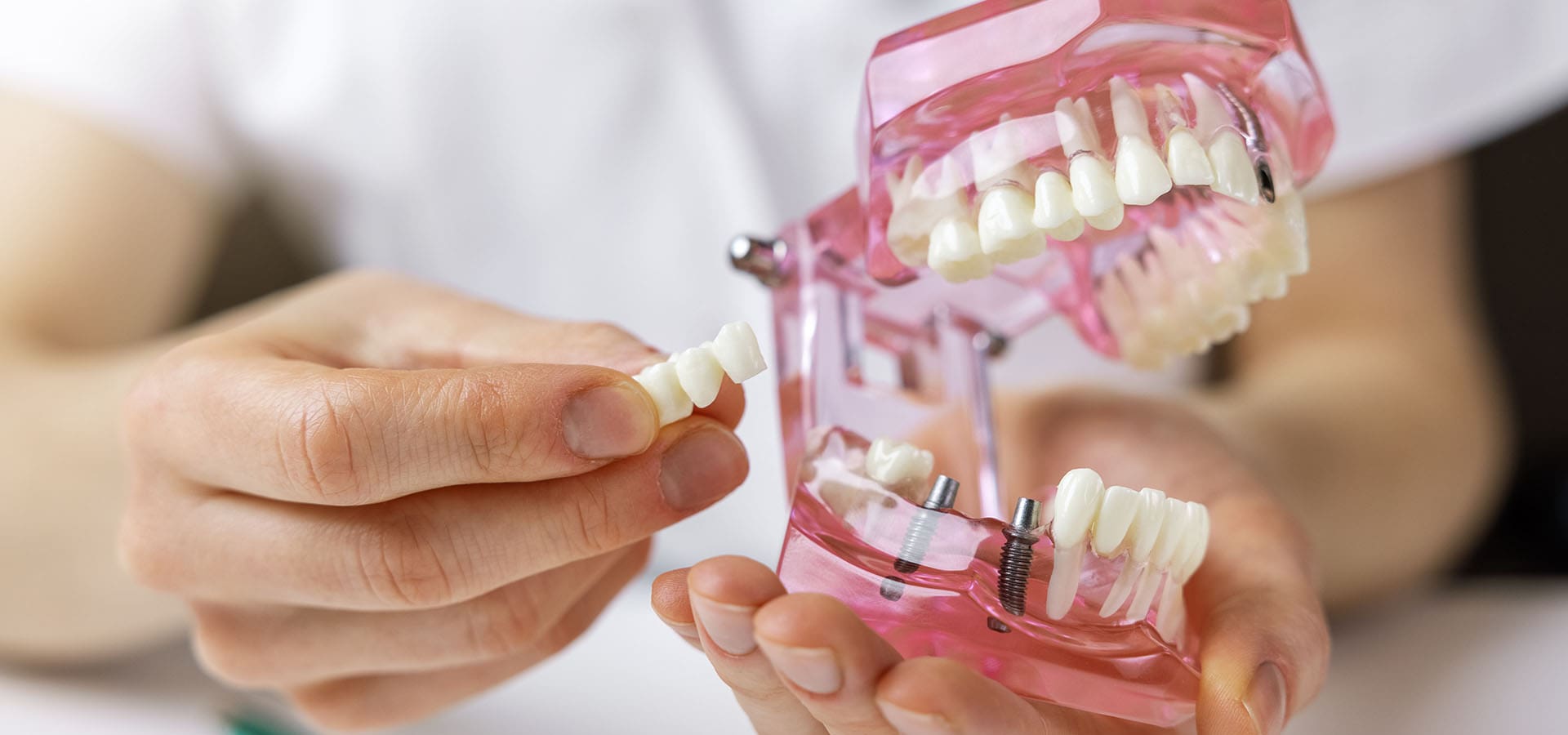
A dental implant can provide reliable tooth replacement for decades, and many remain in place for a lifetime. How long an implant lasts depends on several factors, including how well it is planned, the health of the surrounding gums and bone, and how it is cared for over time.
Table of Contents
What Helps Dental Implants Last Long Term?
There is no fixed lifespan for a dental implant. When an implant is placed in healthy bone and the surrounding tissues remain free of disease, it has the potential to provide long-term tooth replacement.
Several factors can affect how long an implant lasts. These include the health of the gums and bone, control of periodontal disease, daily oral hygiene, regular professional maintenance, and the amount of pressure placed on the implant when you bite and chew.
Some of these factors need to be addressed before the implant is placed. Establishing a healthy oral foundation before treatment can help support the implant for the long term.
Preparing for Long-Term Implant Success
At Life Oral Health Periodontics and Implant Surgery, Dr. Ruprecht first evaluates the health of the gums, supporting bone, surrounding teeth, and bite. If active periodontal disease or inflammation is present, controlling the disease takes priority over immediate implant placement.
Professional cleaning, periodontal treatment, or other care may be recommended first. When bone has been lost, bone grafting or regenerative treatment may also be used to establish the support needed for implant placement.
This approach is intended to give the implant a healthy foundation from the beginning rather than addressing disease after it has already placed the implant at risk.
Planning and Placing a Dental Implant
Once the gums and bone are healthy, the position of the implant becomes another important part of long-term planning. An implant must be surrounded by adequate bone and positioned appropriately for the final restoration and the forces created during biting and chewing.
Dr. Ruprecht uses CBCT imaging, virtual treatment planning, and guided implant surgery to evaluate the site and plan implant placement. This digital workflow provides a detailed view of the available bone and surrounding anatomy before surgery.
How to Care for a Dental Implant
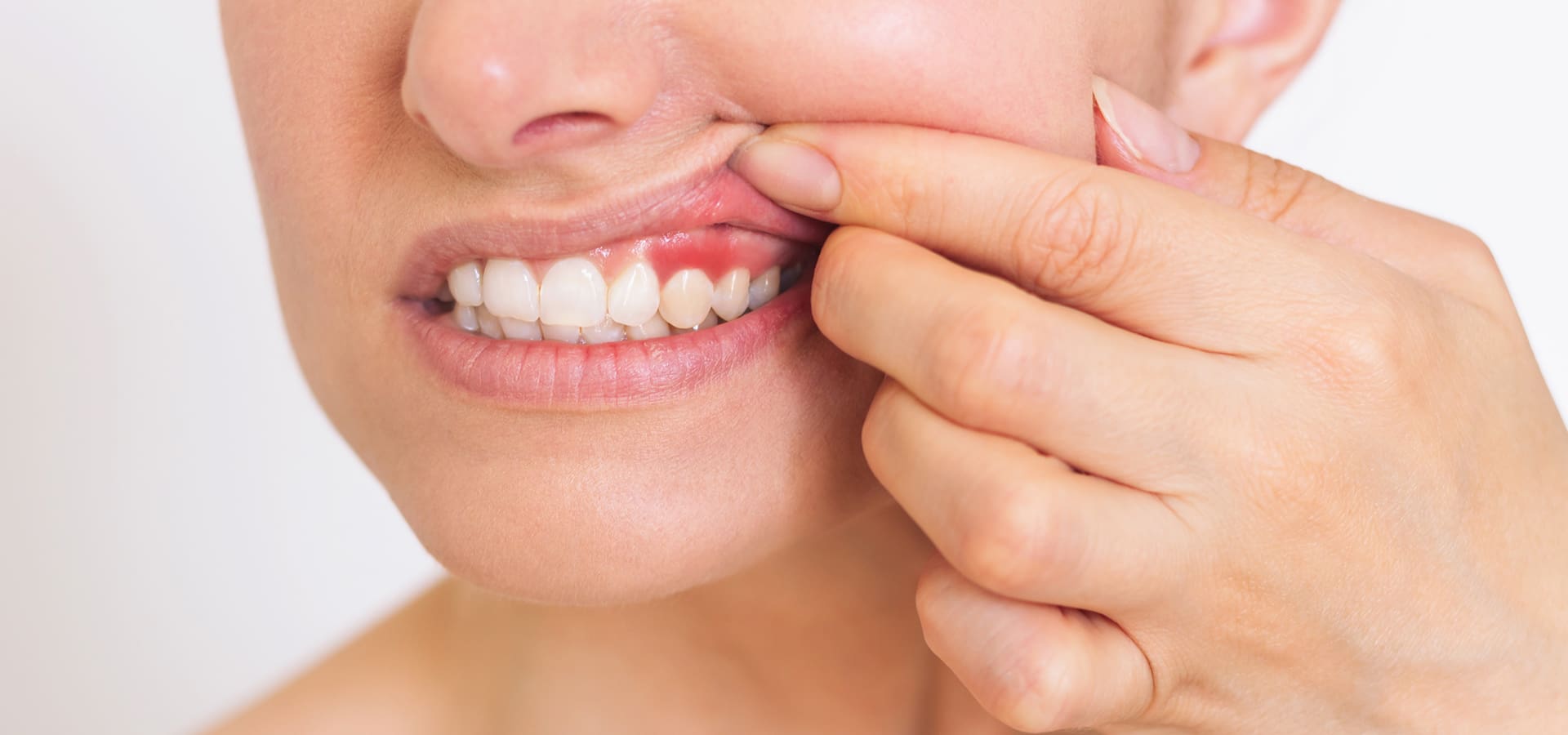
Dental implants cannot develop cavities, but the gums and bone around them can develop inflammation and disease. Plaque that accumulates around an implant can irritate the gum tissue and, if disease progresses, it affects the supporting bone.
Daily brushing and cleaning around the implant help control bacterial buildup. Depending on the restoration, floss, interdental brushes, or other cleaning tools may be recommended for areas that are difficult to reach.
Professional maintenance is equally important. These visits allow the gums to be evaluated, the restoration to be checked, and changes in bone levels to be monitored when necessary. Patients with a history of periodontal disease may require a more individualized maintenance schedule.
Signs of a Problem With a Dental Implant
Peri-implantitis is an inflammatory condition that can cause progressive bone loss around a dental implant. Without treatment, the loss of supporting tissue can eventually compromise the stability of the implant.
Signs that an implant should be evaluated include:
- Bleeding around the implant
- Red or swollen gums
- Gum recession
- Tenderness or discomfort
- Changes in the way the restoration feels
- An implant or restoration that feels loose
Symptoms are not always obvious in the early stages. Changes may first be identified during a professional examination or through monitoring of the supporting bone.
Treating Problems Around Existing Implants
Implants can develop problems years after they were placed, including implants that were originally healthy and successful. This does not necessarily mean the implant must be removed.
Dr. Ruprecht regularly evaluates patients who have developed disease around implants placed by other providers. The goal is to identify why the tissues have become unhealthy and determine whether the disease can be controlled while preserving the implant.
Treatment depends on the extent of inflammation and bone loss. Care may include professional biofilm removal, bacterial reduction, periodontal treatment, and regenerative procedures when appropriate.
Earlier intervention generally provides more opportunity to protect the tissues that remain. An implant with inflammation or bone loss should therefore be evaluated even if it is not painful or does not feel loose.
Dental Implant Care at Life Oral Health
Dr. Ruprecht’s approach to implant care begins with establishing oral health before surgery and continues with protecting the gums and bone after the implant has healed. As a periodontist with specialized expertise in disease control, she evaluates and manages the conditions that can affect implant health at every stage of treatment.
This specialized care also extends to existing implants, including those placed elsewhere. When inflammation or bone loss develops, treatment focuses on controlling disease and preserving the implant whenever possible.
Protect Your Dental Implant for the Long Term
Specialized periodontal care can help create and maintain the healthy foundation a dental implant needs for long-term success. If you are considering an implant or have concerns about an existing one, schedule an evaluation to discuss your options.
To schedule an appointment at our periodontal office in Newport Beach, CA, call (949) 833-2263 or visit us at 2372 SE Bristol St Suite A, Newport Beach, CA 92660.
FAQs
What happens to dental implants as you get older?
Dental implants do not naturally deteriorate simply because you get older. Research shows that implants can remain successful well into older age, and age alone is not considered a major risk factor for implant loss. Changes in your health, medications, bone, or ability to maintain the implant may affect its care over time, so your maintenance plan may need to change as you age.
Can you replace the crown without replacing the implant?
Yes. Dental implants are designed so the crown can be replaced separately from the implant anchored in the jawbone. If the crown becomes worn, chipped, or damaged over time, it can be replaced while the implant itself remains in place.
Do dental implants last longer in some parts of the mouth?
They can, but implant location is only one factor that affects longevity. The amount and quality of bone vary throughout the upper and lower jaws, and some areas present different challenges for implant placement and healing. Careful planning takes these differences into account so the implant can be positioned and supported appropriately for that specific site.